What to Expect on Your First Guided Fly Fishing Trip
What to expect on your first guided fly fishing trip, including how to prepare, what happens on the water, and how a guide helps beginners learn.
Your first guided fly fishing trip does not need to feel intimidating.
Most new anglers have the same questions before they book: what to bring, how much experience they need, whether they need their own gear, and what actually happens once they meet the guide. The answer is usually simpler than expected. A good guided trip starts with where you are, then builds from there.
At Spring Fed Angling, beginner-friendly trips are planned around the guest, the water, the season, and the conditions. The goal is not to rush through a checklist or make fly fishing feel more complicated. The goal is to help the day feel clear, useful, and enjoyable.
Before your first guided fly fishing trip
Your guide will confirm the meeting location, expected weather, and any personal items you should bring. Most guided days begin with a short conversation about your experience level, goals, and comfort around moving water.
If you are new to fly fishing, you do not need to arrive with everything figured out. A guided trip is partly about catching fish, but it is also about learning how to make better decisions around the water. You can review the current guided fly fishing trip options before choosing the type of day that fits your goals.
Helpful details to share
The more your guide understands ahead of time, the easier it is to shape the day around you. It is especially useful to mention:
- Your experience level with casting, knots, and wading
- Any physical limitations, medical needs, or comfort concerns
- Whether you prefer steady instruction or a quieter pace
- The kinds of water or fish you are most interested in
None of this needs to be formal. A short note before the trip is usually enough to help the guide plan the right starting point.
You do not need to be an expert before booking
One of the biggest misconceptions about guided fly fishing is that you need to practice for months before a guide day makes sense.
You do not.
For many beginners, a guided trip is the most efficient way to understand the basics because everything happens in context. Casting, knots, fly selection, mending, line control, wading, and fish handling all make more sense when you are standing near the water and seeing why each detail matters.
A guide can help simplify the day so you are not trying to learn everything at once. Instead of guessing through flies, forcing long casts, or rushing from spot to spot, you can focus on the decisions that matter most for the water in front of you.
What happens on the water
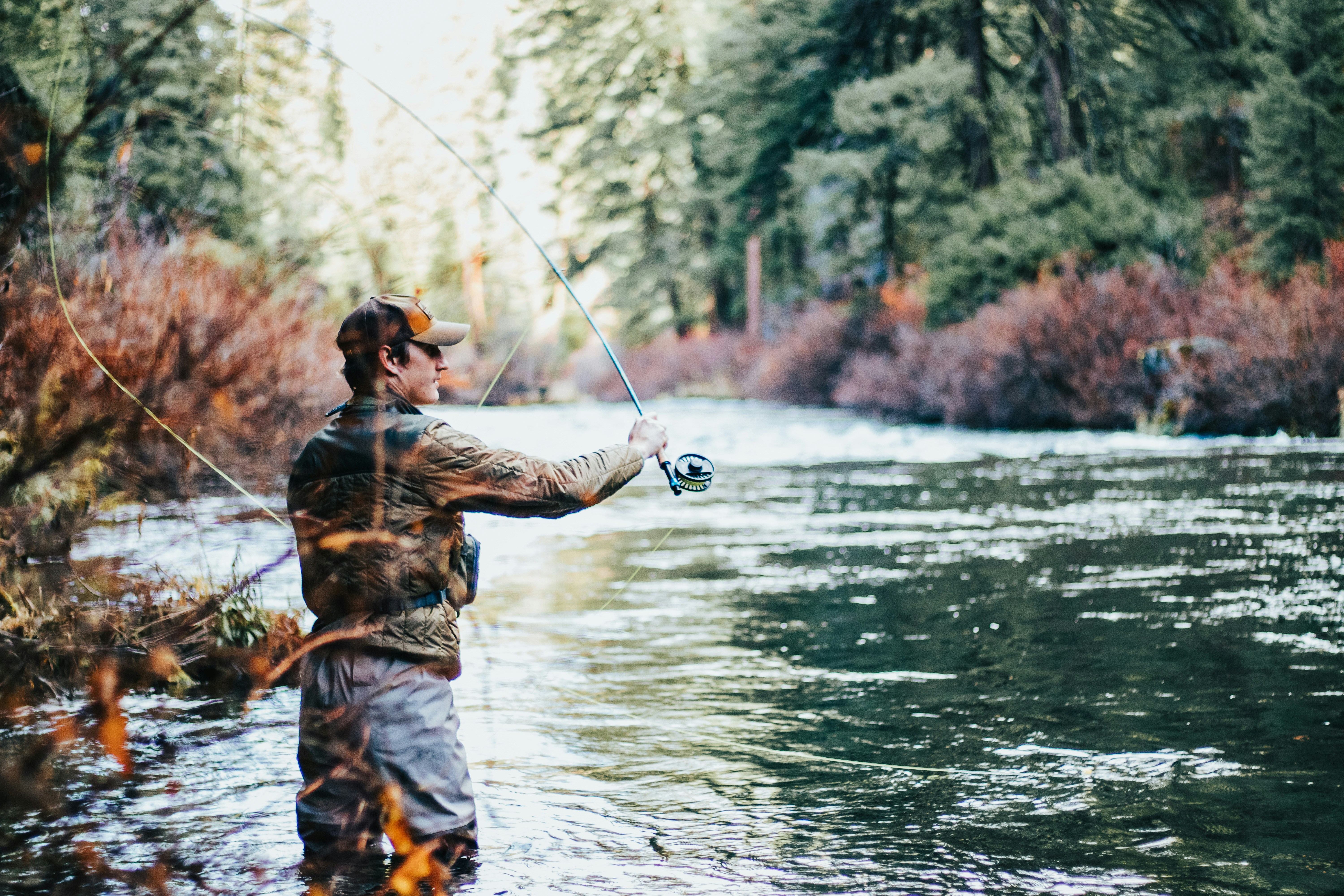
A good first trip is paced around learning, not rushing. Expect help with casting, fly selection, reading currents, and approaching fish without putting pressure on the water too quickly.
A simple rhythm for the day
Most beginner-friendly guided fly fishing days follow a practical sequence:
- Start with a quick check of gear, leaders, knots, and flies.
- Practice a few casts or presentations away from the most sensitive water.
- Read the current together before stepping into position.
- Make short, controlled presentations before reaching for longer casts.
- Pause often to adjust the approach instead of forcing the same drift.
That rhythm helps the day feel manageable. It also makes each fish, refusal, or missed opportunity easier to understand.
There may be stretches where the best move is to stop and watch. Look for insects, feeding lanes, shade lines, and small changes in current speed. Those observations often matter more than changing flies every few minutes.
What a guide can help you understand
A guide is not just there to point at a spot and tell you where to cast.
The better value is learning how to think through the water. That may include where trout are likely to hold, how current affects the drift, when a fly needs more depth, why a cast is landing too hard, or when it makes sense to leave a piece of water alone.
On a first trip, that instruction should feel steady and practical. You may work on:
- Casting with less effort and more control
- Reading current before stepping into position
- Choosing a fly or rig with a reason behind it
- Managing slack after the fly lands
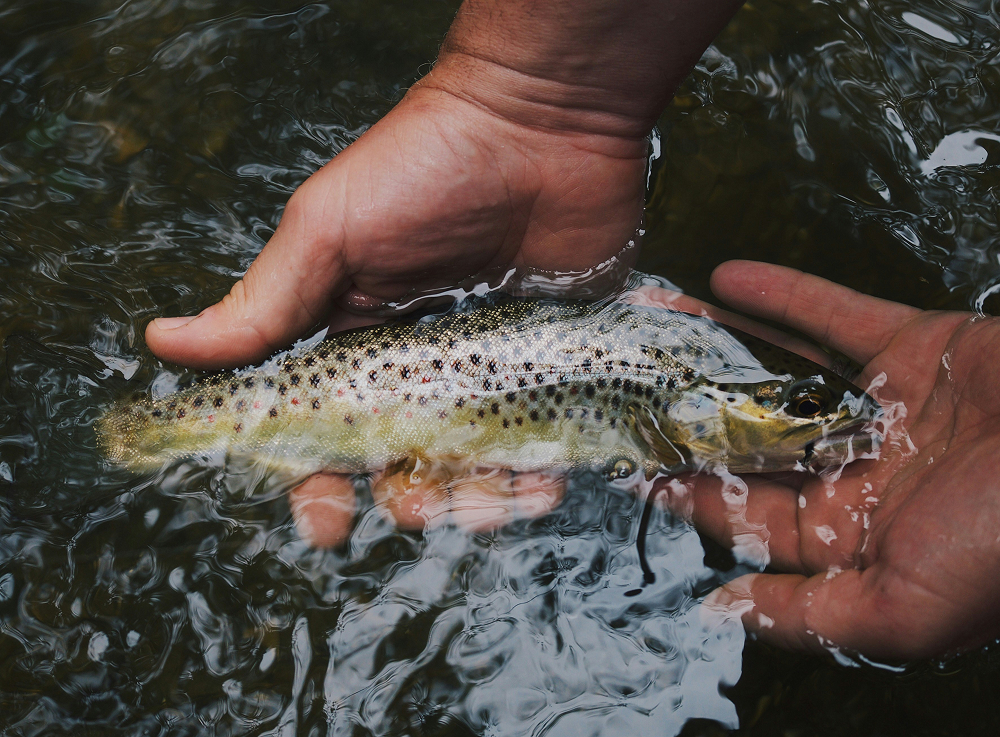
- Handling fish carefully and keeping them wet
- Understanding when to adjust and when to stay patient
Those small pieces build confidence. They also make future days on the water more productive because you are learning how to make decisions, not just following directions.
What to bring on your first trip
Your guide will tell you what is needed for the specific day, but most first trips are easier when you keep personal gear simple.
Bring weather-appropriate layers, polarized sunglasses, water, snacks, sunscreen, and any medication you may need. If you have your own rod, reel, waders, boots, or flies, you can bring them, but you do not need to buy a full setup before your first guided trip.
For a deeper packing overview, read the spring creek trout trip gear guide.
After the guided day
The best outcome is that you leave with a clearer understanding of what worked, what to practice, and how to keep improving after the guide day ends.
Your guide may suggest a few next steps, such as practicing a specific cast, simplifying your fly selection, or spending more time watching water before fishing it. If you want to keep building from there, the contact page is the easiest way to ask follow-up questions or plan another day.
What to practice next
After a first trip, focus on one or two skills instead of trying to improve everything at once. Good follow-up practice might include:
- Making short casts with a relaxed stroke
- Managing slack line after the fly lands
- Tying one or two dependable knots until they feel automatic
- Watching how bubbles and debris move through different current seams
Small improvements compound quickly. A little more control, a little more patience, and a better read on the water can make the next trip feel completely different.
Plan a beginner-friendly guided trip
If you are thinking about your first guided fly fishing trip, the best next step is to talk through your experience level, comfort on the water, and what kind of day would feel worthwhile.
Some beginners want a trout-focused wade trip. Others may be better suited for a low-pressure lesson, a float trip, or a simple day built around learning the basics. The right choice depends on the season, water conditions, and what you want to get out of the experience.
You can contact Spring Fed Angling with questions, or learn more about beginner fly fishing trips before booking.