What to Bring on a Spring Creek Trout Trip
What to bring on a guided spring creek trout trip, including clothing, polarized sunglasses, personal items, gear expectations, and comfort tips.
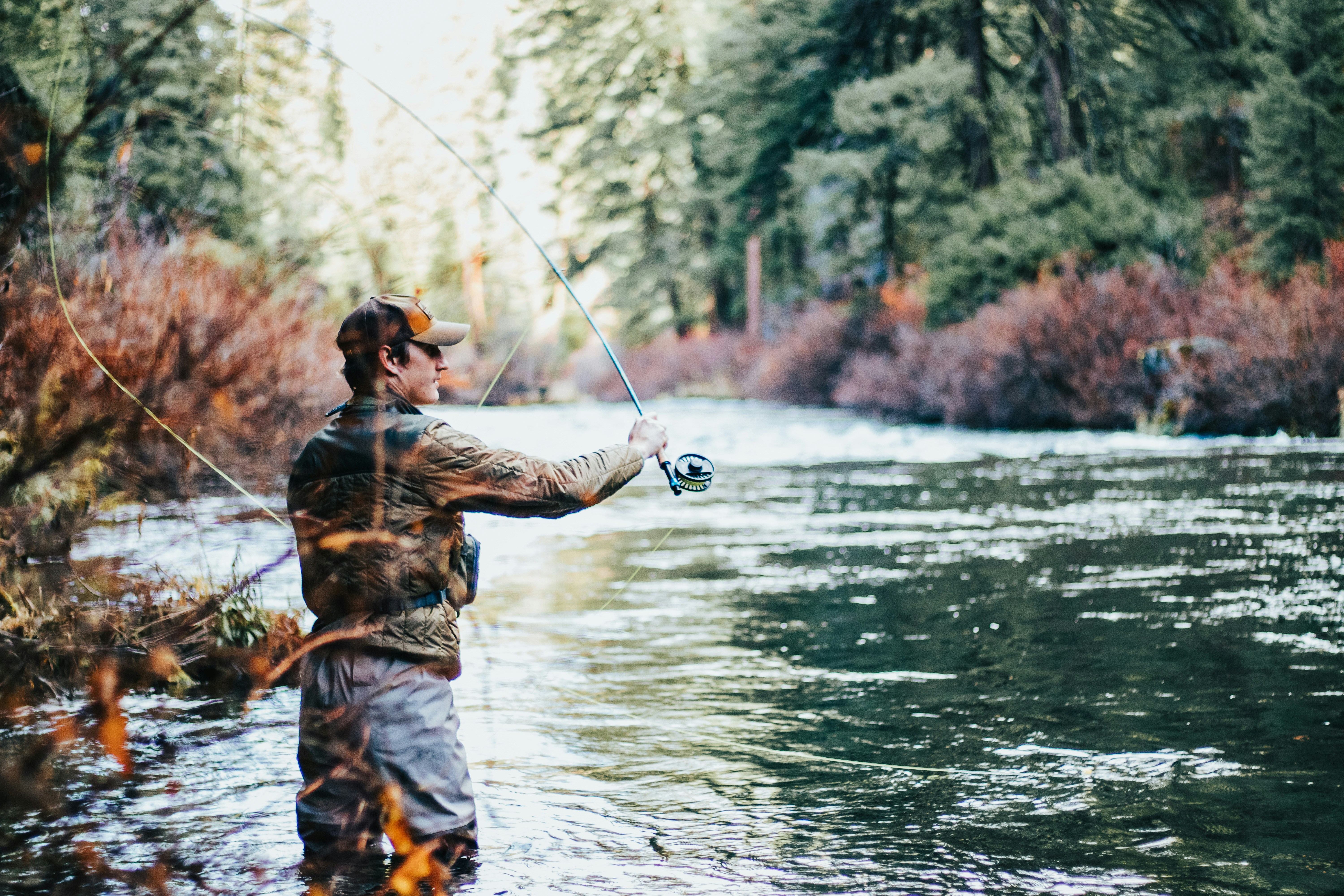
Packing for a guided spring creek trout trip should make the day easier, not more complicated.
You do not need to bring every piece of fly fishing gear you own. For most guided trips, the important things are weather-appropriate clothing, personal comfort items, polarized sunglasses, and a clear understanding of what your guide will provide.
Spring creek trout fishing often happens in clear water where weather, light, temperature, and careful movement matter. A little preparation helps the day stay focused on fishing instead of solving avoidable comfort problems.
Dress for changing weather
Dress in layers that can handle cool mornings, sun, wind, and the occasional shower. Central Pennsylvania trout water can feel different at the truck, in the shade, and standing near moving water.
Start with comfortable layers that are easy to add or remove. A light rain shell or wind layer is often useful even when the forecast looks decent. Avoid cotton when possible, especially in cooler conditions, because it holds moisture and can make the day uncomfortable.
Neutral colors are useful because trout in clear spring creek water can be sensitive to movement and contrast. You do not need to dress in full camouflage, but bright colors and high-contrast clothing can work against you on technical trout water.
Bring polarized sunglasses
Polarized sunglasses are one of the most useful personal items you can bring on a guided trout trip.
They help cut glare, make wading safer, protect your eyes from flies, and make it easier to see current, depth, rocks, weeds, and sometimes fish. Amber, copper, or brown lenses are often useful for trout water, especially in mixed light.
If you are new to fly fishing, sunglasses also help you see what your guide is pointing out. Reading the water becomes easier when you can actually see the structure and depth changes under the surface.
Pack personal comfort items
Your guide may handle the fishing equipment, but personal comfort still matters.
Useful items often include:
- Sunscreen
- Water
- Snacks or lunch, depending on the trip length
- Any medication you may need during the day
- A hat with a brim
- Bug spray when conditions call for it
- A dry bag or small pack for personal items
- A fishing license if required for the day
Keep the list practical. The goal is not to overpack. The goal is to have what you need so the day can stay focused and relaxed.
Know what your guide provides
Before the trip, ask what fishing equipment is included.
For many guided days, rods, reels, leaders, flies, and other core fishing equipment can be provided or discussed ahead of time. If you have your own setup, bring it if you want to use it or learn more about it. A guide can help explain whether it fits the water, the flies, and the style of fishing planned for the day.
Beginners do not need to buy a full trout setup before booking. It is often better to learn with a simple, appropriate rig first, then make gear decisions later with more context.
Think about wading and footwear
Wading needs depend on the trip, the water, and the season.
Some spring creek trout trips may involve wading. Others may be more bank-focused or adjusted around conditions. If waders, boots, or other equipment are needed, confirm the plan before the trip so sizing and comfort can be handled early.
If you are bringing your own boots or waders, make sure they are in good condition and appropriate for the water. Comfortable socks also matter more than many people expect, especially on cooler days or longer walks.
Keep expectations simple
The goal is not to pack for every possible situation. The goal is to arrive prepared enough that the day can stay focused on fishing.
On a guided spring creek trout trip, conditions may change. The plan may shift based on temperature, flows, clarity, hatches, fish behavior, or guest comfort. Good preparation gives the guide more room to make those adjustments without the day feeling scattered.
A simple packing checklist
For most guided trout trips, start with this:
- Weather-appropriate layers
- Rain or wind shell
- Polarized sunglasses
- Hat
- Sunscreen
- Water and snacks
- Required license
- Personal medication
- Any fishing gear you specifically want to use or discuss
If something else is needed, your guide can tell you before the trip.
Plan a spring creek trout trip
Spring creek trout fishing rewards preparation, patience, and good decisions on the water. Packing well helps, but you do not need to overthink it.
If you are planning your first guided day, you may also want to read what to expect on your first guided fly fishing trip or learn more about guided wade fishing trips.